Diamond Wire Loop Cutting: Single-Wire vs. Multi-Wire Technologies – Key Differences and Applications
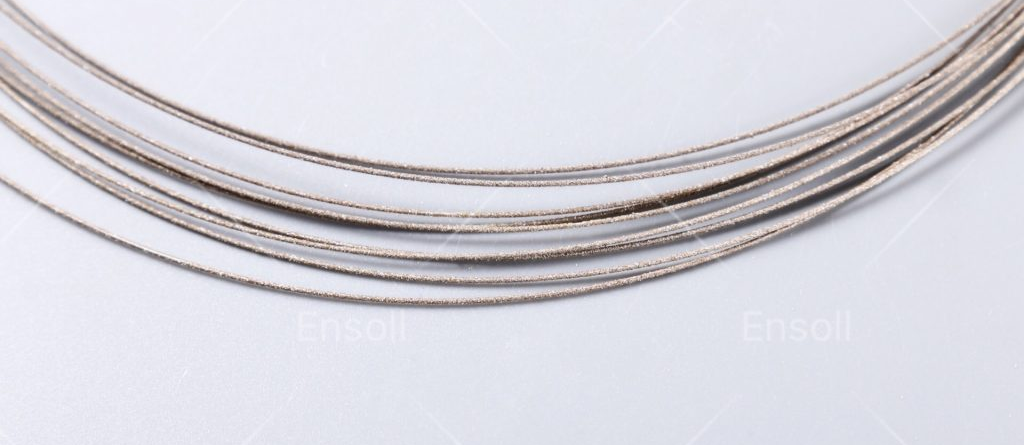
Diamond wire loop cutting represents a significant advancement in precision cutting technology, utilizing diamond-impregnated wires to achieve exceptional cutting accuracy with minimal material loss. This technology has revolutionized semiconductor manufacturing, solar cell production, and advanced materials processing. Understanding the fundamental differences between single-wire and multi-wire systems is crucial for manufacturers seeking to optimize their cutting operations.
Basic Working Principles
Single-Wire Cutting Mechanism
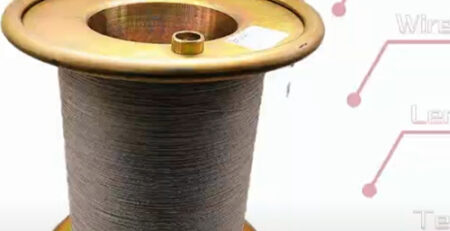
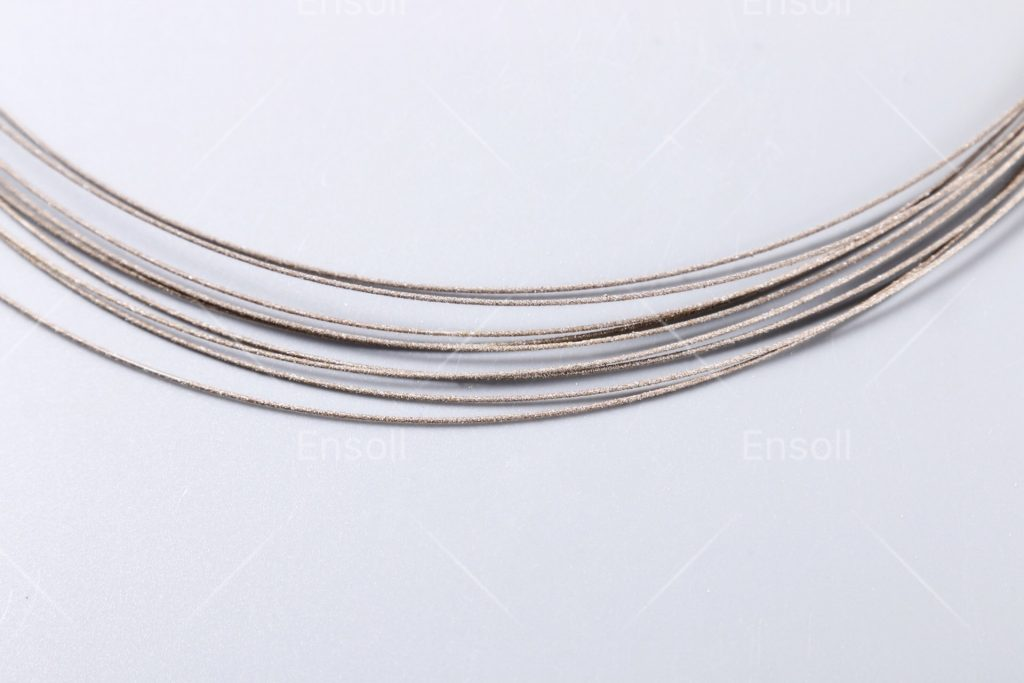
Single-wire diamond loop cutting employs one continuous diamond-impregnated wire that moves at controlled speeds through the workpiece. The system maintains precise tension control to ensure cutting accuracy and prevent wire deflection. This configuration allows for flexible cutting paths and adaptable processing parameters, making it ideal for complex shapes and specialized applications.
Multi-Wire Cutting Mechanism
Multi-wire systems utilize multiple parallel wires arranged on guidance systems, enabling simultaneous cutting of multiple workpieces or large-area materials. This configuration features sophisticated tension management across all wires and synchronized movement control, prioritizing high-volume production efficiency over flexibility.
Key Technical Differences
Cutting Efficiency and Productivity
Multi-wire systems significantly outperform single-wire configurations in production volume, capable of processing dozens of workpieces simultaneously. This makes them ideal for mass production environments where throughput is paramount. Single-wire systems, while slower in volume terms, offer superior flexibility for complex cutting paths and rapid job changeovers.
Precision and Accuracy
Both technologies achieve micron-level precision, but single-wire systems generally maintain tighter tolerances for complex geometries. The simplified mechanical structure and more direct control systems enable exceptional accuracy for specialized applications. Multi-wire systems provide excellent consistency across batches but may have slightly larger tolerance ranges due to the complexity of managing multiple wires.
Operational Complexity
Multi-wire systems require more extensive setup procedures, sophisticated tension management, and advanced maintenance protocols. The need to maintain uniform tension across all wires adds complexity to operation and maintenance. Single-wire systems offer more straightforward operation with faster setup times and simpler maintenance requirements.
Applications and Use Cases
Single-Wire Preferred Applications
– Research and development laboratories
– Medical device manufacturing
– Prototype development
– Complex geometric cutting
– Low-volume production runs
– High-value material processing
Multi-Wire Preferred Applications
– Solar silicon wafer production
– Mass semiconductor manufacturing
– Large-format material processing
– High-volume component production
– Standard geometric patterns
– Cost-sensitive mass production
Advantages and Limitations
Single-Wire Advantages
– Exceptional flexibility for complex shapes
– Superior precision for specialized applications
– Faster setup and changeover times
– Lower initial investment
– Simpler maintenance requirements
– Better for irregular cutting paths
Single-Wire Limitations
– Lower production throughput
– Higher cost per unit in mass production
– Limited for large-volume manufacturing
– Less efficient for standard patterns
Multi-Wire Advantages
– High production throughput
– Excellent cost efficiency for mass production
– Superior material utilization for standard patterns
– Consistent quality across multiple pieces
– Automated operation capabilities
– Optimal for large-scale manufacturing
Multi-Wire Limitations
– Higher initial investment
– Complex maintenance requirements
– Limited flexibility for complex shapes
– Extensive setup procedures
– Larger facility space requirements
Technical Specifications Comparison
Cutting Performance
– Single-wire accuracy: ±0.01mm or better
– Multi-wire accuracy: ±0.02mm typically
– Single-wire flexibility: High for complex paths
– Multi-wire flexibility: Limited to parallel cuts
Operational Requirements
– Single-wire setup time: 15-30 minutes
– Multi-wire setup time: 1-2 hours
– Single-wire maintenance: Weekly basic checks
– Multi-wire maintenance: Daily tension verification
Economic Considerations
Cost Analysis
Multi-wire systems command higher initial investments but deliver lower cost per unit in high-volume production scenarios. Single-wire systems offer more favorable economics for lower production volumes and specialized applications where flexibility and rapid changeover provide significant operational advantages.
Return on Investment
The ROI period varies significantly based on application:
– Multi-wire systems: 12-18 months for high-volume production
– Single-wire systems: 6-12 months for specialized applications
Selection Guidelines
Choose Single-Wire When:
– Production volumes are low to medium
– Complex shapes or contours are required
– Rapid prototyping is needed
– Material values are high
– Facility space is limited
– Budget constraints exist
Choose Multi-Wire When:
– Mass production is required
– Standard geometric patterns are used
– Cost efficiency is critical
– Production consistency is paramount
– Facility space is available
– Budget allows for higher investment
Industry Trends and Future Outlook
The diamond wire cutting market continues to evolve with both technologies finding their respective niches. Single-wire systems are advancing in precision and automation capabilities, while multi-wire systems are achieving higher wire densities and improved efficiency. The trend toward thinner wafers and more complex materials ensures both technologies will remain relevant in precision manufacturing.
Conclusion
The choice between single-wire and multi-wire diamond loop cutting depends on specific production requirements, material characteristics, and economic considerations. Single-wire technology excels in flexibility, precision, and adaptability for complex applications, while multi-wire systems dominate in high-volume production environments where throughput and cost efficiency are paramount. Understanding these fundamental differences enables manufacturers to select the optimal technology for their specific needs, ensuring maximum efficiency and return on investment in their cutting operations.