Precision Diamond Wire Saw Cutting Machine for SCHOTT Optical Glass
Why Diamond Wire Saws Excel in Optical Glass Cutting
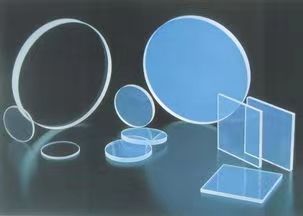
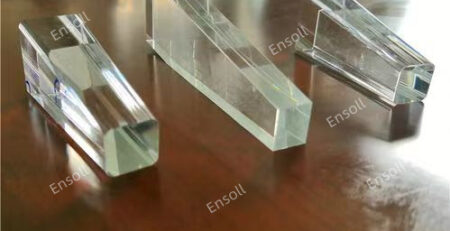
In the world of precision optics, SCHOTT B270, N-BK7, and other high-performance optical glasses demand ultra-precise cutting with minimal subsurface damage. Traditional methods like diamond blade cutting or laser processing often introduce micro-cracks, thermal stress, or excessive material loss.
A diamond wire saw cutting machine offers a superior alternative, delivering:
✔ Sub-micron surface finish (Ra < 0.2µm)
✔ Near-zero subsurface cracks (critical for lens/prism durability)
✔ Narrow kerf width (as low as 0.15mm, saving material)
✔ No thermal distortion (unlike laser cutting)
This makes it the preferred choice for precision optics manufacturers in aerospace, medical imaging, and semiconductor industries.
How Diamond Wire Saws Work for Optical Glass
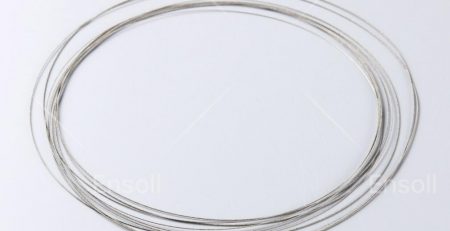
A diamond wire saw cutting machine uses a continuous loop of diamond-coated wire (typically 0.1–0.3mm in diameter) running at high speed (5–30 m/s) under controlled tension. The micro-abrasive action ensures:
– Clean, chip-free edges (critical for optical clarity)
– Minimal material waste (ideal for expensive SCHOTT glass)
– High repeatability (±0.02mm tolerance achievable)
Unlike laser cutting, which risks thermal stress and micro-fractures, diamond wire saws provide cold cutting, preserving the glass’s structural integrity.
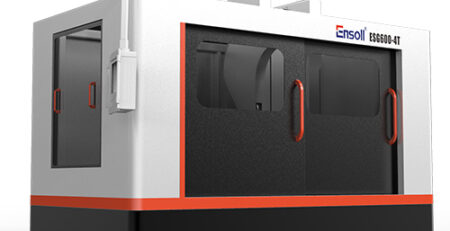
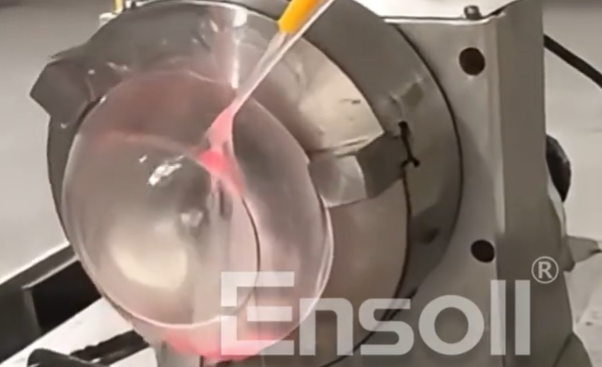
Cutting display
Key Advantages Over Traditional Cutting Methods
| Parameter | Diamond Wire Saw | Diamond Blade | Laser Cutting |
| Surface Roughness (Ra) | 0.1–0.3µm | 0.5–1.0µm | 0.5–2.0µm |
| Subsurface Cracks | Almost none | Moderate | Possible micro-fractures |
| Kerf Width | 0.15–0.3mm | 0.4–0.6mm | 0.05–0.1mm (but with HAZ*) |
| Thermal Impact | None | Low | High (risk of stress birefringence) |
| Best For | Thick optical glass (>3mm), precision optics | Rough cutting, thick blocks | Thin glass, complex shapes |
(*HAZ = Heat-Affected Zone)
Applications in Optical Manufacturing
1. Camera Lenses & Prisms
– Require optical-grade edges (Ra < 0.5µm)
– No subsurface defects (prevents light scattering)
– Diamond wire saws reduce polishing time by 30–50%
- Telescope Mirrors & High-Precision Optics
– Maintains tight tolerances (±0.02mm)
– Ideal for SCHOTT Zerodur & other low-expansion glass
- Wafer-Level Optics (Micro-Optics Arrays)
– Minimal kerf loss maximizes yield
– No thermal distortion ensures flatness
Choosing the Right Diamond Wire Saw Cutting Machine
When investing in a diamond wire saw for optical glass, consider:
✅ Wire speed & tension control (for consistent cuts)
✅ Coolant system (prevents glass chipping)
✅ Automation compatibility (for high-volume production)
✅ Minimum cutting radius (for curved optics)
For SCHOTT B270, N-BK7, or fused silica, a precision wire saw with CNC control ensures the best results.
Conclusion: Why Upgrade to Diamond Wire Saw Cutting?
If you’re manufacturing high-end optical components, a diamond wire saw cutting machine offers:
✔ Superior surface quality (less post-processing)
✔ Higher material yield (narrower kerf = cost savings)
✔ No thermal damage (unlike lasers)
✔ Long-term reliability (stronger edges, fewer defects)
For precision optics, aerospace lenses, or medical glass components, switching to diamond wire saw technology can reduce rejection rates, lower polishing costs, and improve product performance.
Interested in optimizing your optical glass cutting process? [Contact us] for a free sample cutting test on your SCHOTT glass!