
Best Practices for SiC Wafer Cutting with Diamond Wire Loop
Silicon carbide (SiC) is a revolutionary semiconductor material used in high-power, high-frequency, and high-temperature applications, including electric vehicles (EVs), 5G technology, and renewable energy systems. However, cutting SiC wafers—known for their extreme hardness (Mohs 9.5) and brittleness—poses significant challenges.
Diamond wire loop cutting has emerged as the most efficient method for processing SiC wafers, offering superior precision, minimal kerf loss, and reduced subsurface damage. This guide explores the best practices for optimizing SiC wafer cutting with diamond wire loops.
Challenges in SiC Wafer Cutting
Before diving into best practices, let’s examine the key challenges in SiC wafer processing:
- Extreme Hardness – SiC is nearly as hard as diamond, making mechanical cutting difficult.
- Brittleness – Improper cutting can cause chipping, cracks, and wafer breakage.
- High Precision Requirements – Semiconductor-grade SiC wafers require ultra-thin (<200µm) and defect-free surfaces.
- Material Waste – Traditional sawing methods waste up to 30-40% of the SiC ingot.
Conventional methods like blade sawing and laser cutting often lead to high rejection rates and increased costs. Diamond wire loop cutting provides a superior alternative.
Why Diamond Wire Loop is Ideal for SiC Wafer Cutting
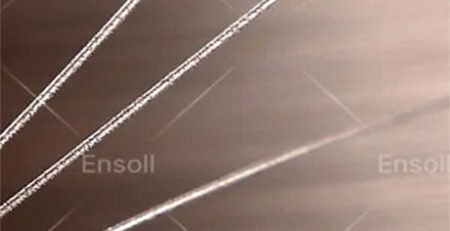
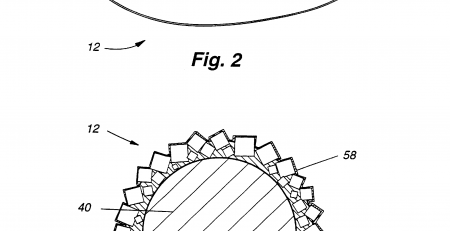
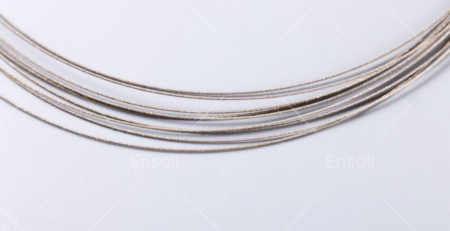
Diamond wire loop technology uses a thin wire embedded with diamond abrasives to slice through SiC with minimal force. Key advantages include:
✅ Reduced Subsurface Damage – Minimizes micro-cracks and stress fractures.
✅ Faster Cutting Speeds – Achieves 0.5-2 mm/min with high precision.
✅ Lower Operating Costs – Longer wire lifespan and less coolant usage than traditional saws.
Best Practices for SiC Wafer Cutting with Diamond Wire Loop
1. Select the Right Diamond Wire Specifications
– Wire Diameter: 0.1-0.2mm for minimal kerf loss.
– Diamond Grit Size: 15-30µm for optimal cutting speed and surface finish.
– Wire Tension: Proper tension (20-50N) prevents wire breakage and ensures straight cuts.
2.Optimize Cutting Parameters
– Cutting Speed: 0.5-2 mm/min (adjust based on wafer thickness).
– Coolant Selection: Use deionized water with anti-corrosion additives to prevent SiC oxidation.
– Feed Rate: Gradual feed reduces chipping at wafer edges.
3.Minimize Wafer Damage & Defects
– Prevent Chipping: Use tape mounting or wax bonding to support wafers during cutting.
– Reduce Micro-Cracks: Lower wire vibration with stable tension control.
– Post-Cutting Inspection: Use SEM/optical microscopy to detect subsurface cracks.
4. Enhance Wire Lifespan & Cost Efficiency
– Avoid Overheating: Maintain consistent coolant flow.
– Monitor Wear: Replace the wire when cutting speed drops by >15%.
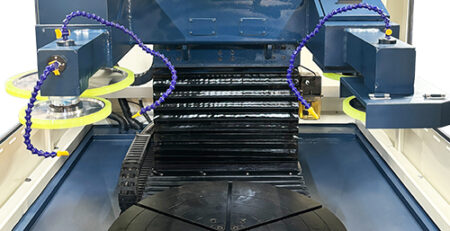
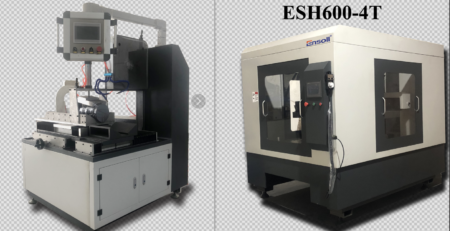
– Multi-Wire Systems: Cut multiple wafers simultaneously to improve throughput.
Applications of Diamond Wire-Cut SiC Wafers
✔ Power Electronics – EVs, fast chargers, and industrial inverters.
✔ 5G & RF Devices – High-frequency transistors for telecommunications.
✔ Renewable Energy – Solar inverters and wind power systems.
Future Trends in Diamond Wire Loop Cutting for SiC Wafers
As the demand for SiC semiconductors continues to grow, diamond wire loop technology is evolving to meet industry needs. Here are three key developments to watch:
- AI-Powered Process Optimization
Emerging smart cutting systems now integrate artificial intelligence to automatically adjust wire tension, cutting speed, and coolant flow in real-time. These systems can predict wire wear patterns and optimize parameters for different SiC crystal orientations, potentially improving yield by 15-20%.
- Hybrid Cutting Solutions
Some manufacturers are experimenting with combining diamond wire loops with laser-assisted cutting. The laser pre-heats the SiC along the cutting path, reducing mechanical stress while maintaining the precision advantages of diamond wire technology.
- Eco-Friendly Cutting Systems
New closed-loop coolant recycling systems and biodegradable diamond wire coatings are being developed to reduce environmental impact. These innovations could help semiconductor fabs meet increasingly strict sustainability regulations.
The next generation of diamond wire loop machines will likely feature:
– Automated wafer handling systems
– In-line metrology for real-time quality control
– Predictive maintenance capabilities
As these advancements mature, they will further solidify diamond wire cutting as the gold standard for SiC wafer production, enabling higher volumes and lower costs for critical power electronics applications.
Conclusion
Diamond wire loop cutting is the most efficient and cost-effective method for producing high-quality SiC wafers. By following these best practices—selecting the right wire, optimizing cutting parameters, minimizing defects, and maximizing wire lifespan—manufacturers can achieve higher yields, lower costs, and superior wafer quality.
Looking to improve your SiC wafer cutting process? Contact us today to explore advanced diamond wire loop solutions!