Key Considerations for Diamond Wire Cutting of Superhard Materials Like Silicon Carbid
Diamond wire cutting is a sophisticated technique crucial for processing superhard materials such as silicon carbide. When delving into this method, several key considerations come into play to ensure precision and efficiency.
1.Issues in Cutting Process
Superhard materials like silicon carbide crystals and zirconia ceramics, with hardness just below that of diamonds, pose challenges when the cutting process is not chosen correctly. Problems such as short diamond wire lifespan, extended processing time, rapid wear of guide wheels, insufficiently smooth surfaces, and low flatness may arise.
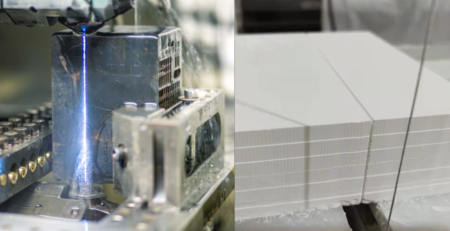
The suitable cutting process for materials like silicon carbide crystals and zirconia ceramics is the point rotation cutting method. This technique involves fixing the materials onto a cutting rotating disk using adhesive like 502 glue or other optical adhesives. As the disk rotates, the cutting occurs simultaneously, resulting in a smooth surface finish and high cutting speed.
2.Feed Speed Concerns
When using a diamond wire cutting machine, optimizing the feed speed within the cutting force range of the diamond wire enhances its lifespan. Excessive cutting feed speed beyond the wire’s cutting force range can lead to wire thinning and breakage.
3.Precision of Rotation Table
When cutting superhard materials like silicon carbide crystals and zirconia ceramics with a diamond wire cutting machine, a high level of precision is required for the rotation table. Ensuring that the diamond wire’s path aligns perfectly with the previous cuts on every cycle results in high flatness of the finished product. Hence, it is advisable to check the rotation table before processing and promptly tighten any loosened screws.
4.Diamond Wire Wear
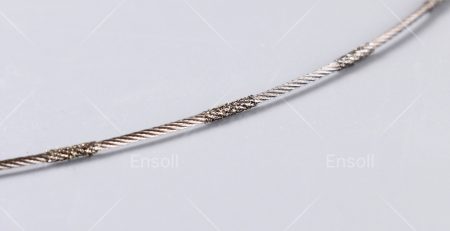
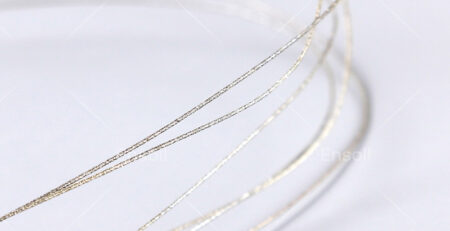
Diamond wire cutting involves mutual wear between the diamond wire and the workpiece, as the diamond particles electroplated on the wire also wear out. This wear-and-tear process can be intense, especially when processing superhard materials. Regularly monitor the wire for signs of bending, indicating reduced cutting force. At this point, consider replacing the wire or lowering the cutting feed speed. Opting for a new diamond wire at this stage, if feasible, ensures high-quality cuts, simplifies subsequent processing steps, and boosts the yield.
5.Cutting Fluid
Cutting fluid serves crucial functions like cleaning, lubricating, and cooling during diamond wire cutting. Inadequate penetration into the cutting gap can result in dry cutting, accelerating diamond wire wear.
6.Machine Tool Stroke
Diamond wire cutting machines operate mechanically, requiring attention to the stroke length, especially when processing superhard materials. Opt for a machine with a stroke slightly larger than the material dimensions to maintain adequate tension and cutting precision. Excessive stroke lengths can compromise cutting accuracy.
In conclusion
Mastering the key considerations for diamond wire cutting of superhard materials like silicon carbide demands a combination of technical knowledge, precision engineering, and operational finesse to unlock the full potential of this cutting-edge technology.