Process Stability and Surface Integrity in Diamond Wire Sawing of Ferrite
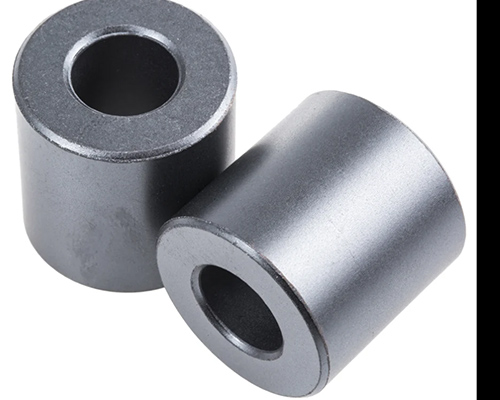
Ferrite permanent magnets — particularly strontium ferrite (SrFe₁₂O₁₉) and barium ferrite (BaFe₁₂O₁₉) — are widely used in automotive sensors, loudspeakers, micro-motors, and household appliances. Their high electrical resistivity, low eddy current loss, and excellent corrosion resistance make them attractive for mass production. However, ferrite is also a hard and brittle ceramic material. Machining it into precise shapes, especially thin slices or complex profiles, presents well‑known difficulties: edge chipping, subsurface cracking, and low yield.
Among the few methods capable of producing high‑quality cuts with acceptable kerf loss, diamond wire saw has gained considerable attention. This blog discusses the key factors that govern process stability and surface integrity when using a diamond wire saw to cut ferrite blocks.
1. Why Diamond Wire Sawing for Ferrite?
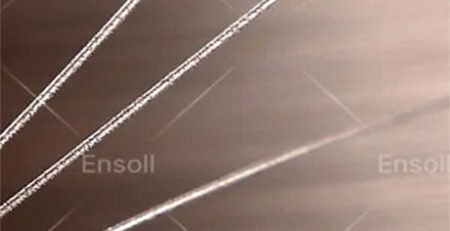
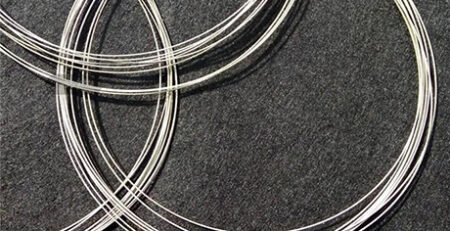
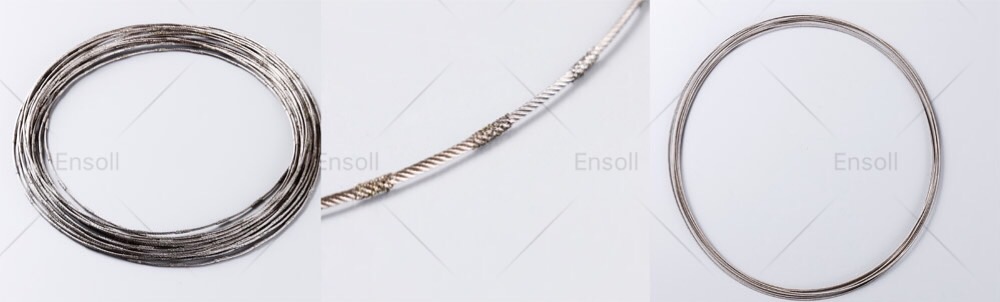
Conventional abrasive cutting wheels generate high localized temperatures and mechanical shock. Ferrite, having low thermal conductivity and virtually no plastic deformation range, responds to such conditions by fracturing. In contrast, a diamond wire saw uses a thin steel wire coated with diamond grit (typically in a nickel or resin bond). The wire moves continuously over a set of pulleys, and the cutting action is achieved by the scratching and plowing of diamond particles against the ferrite surface. Because the contact zone is narrow and the wire speed can be precisely controlled, heat generation is distributed along a line rather than concentrated on a wide face. This reduces thermal gradients and the risk of thermal shock cracking.
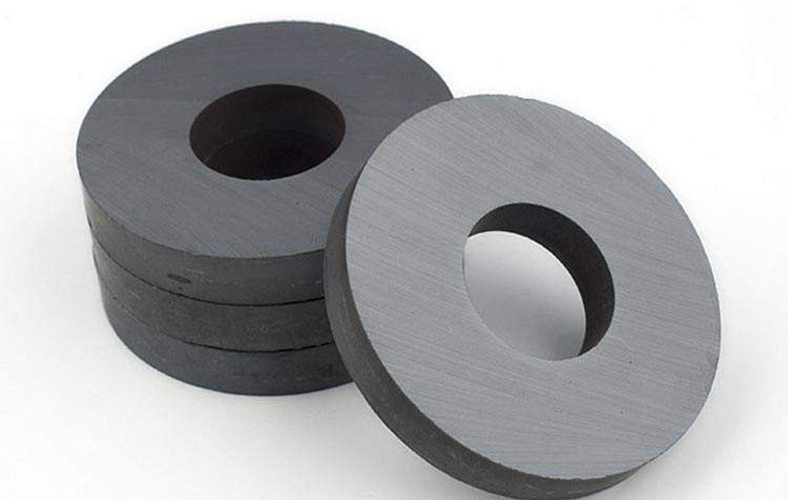
2. Material Removal Mechanism in Ferrite
Ferrite removal by diamond wire sawing is dominated by brittle fracture rather than ductile shearing. When a diamond grit indents the ferrite surface, the stress field beneath the indenter produces median and lateral cracks. As the wire moves, these cracks propagate and intersect, leading to chip formation. This mechanism implies that cutting parameters directly influence the depth of subsurface damage.
For ferrite, a key observation is that increasing the wire speed beyond a moderate value does not proportionally increase material removal rate if the wire tension and feed rate are not adjusted accordingly. Instead, excessive vibration or wire wander occurs, creating wavy cut surfaces and deeper damage zones. Therefore, stability is more important than maximum speed.
3. Critical Process Parameters
Wire Speed and Feed Rate
Typical wire speeds for ferrite range from 0.5 m/s to 2 m/s, with a feed rate between 1 mm/min and 5 mm/min. Lower feed rates produce smoother surfaces and fewer edge defects. Some industrial setups operate at a feed rate of approximately 4 mm/min, achieving a steady cutting rhythm of about one slice per minute for standard ferrite blocks.
Wire Tension
Consistent tension is essential. Uneven tension causes the wire to lag or flutter, creating a non‑straight cut. For ferrite, even a deviation of 0.1 mm can generate stress concentrations that lead to hidden cracks. Closed‑loop tension control systems are recommended.
Grit Size and Bond Type
Fine grits (e.g., 30–40 µm diamond particles) produce better surface finishes but may require lower feed rates to avoid glazing. Coarse grits (e.g., 80–100 µm) cut faster but leave deeper scratches. For most ferrite grades, a medium grit (50–60 µm) with a resin bond provides a good balance between cutting efficiency and surface quality. The resin bond also offers some cushioning, reducing impact forces on the brittle material.
Coolant and Lubrication
Ferrite does not require heavy coolant flooding. In fact, excessive water‑based coolant can cause rapid temperature fluctuations at the cut zone. A light oil‑based mist or a low‑viscosity cutting fluid applied at a steady, low flow rate is preferable. The primary functions are to flush away debris and reduce friction, not to absorb massive heat. Maintaining a stable temperature throughout the cut is more critical than achieving the lowest possible temperature.
4. Surface Integrity and Defect Prevention
The most common defects in diamond wire sawing of ferrite are:
– Edge chipping: Occurs when the wire exits the ferrite block. Reducing the feed rate during the final 2–3 mm of the cut significantly reduces chipping.
– Subsurface cracks: These are not visible on the surface but can be detected by dye penetrant or by measuring the flexural strength of cut samples. To minimize subsurface cracks, maintain a constant feed rate without interruptions. Stop‑start cutting is particularly harmful because the wire dwells in one location, allowing lateral cracks to grow.
– Wire marks and waviness: Caused by pulley eccentricity or worn wire guides. Regular inspection of the wire path and using high‑precision pulleys are necessary.
5. Practical Recommendations for Production
Based on experimental studies and industrial practice, the following guidelines help achieve reliable results when diamond wire sawing ferrite:
– Perform a warm‑up run of the wire for 30 seconds before engaging the ferrite block to ensure uniform tension and wire tracking.
– Use a sacrificial entry and exit material (e.g., a soft plastic plate) to support the ferrite edges and reduce breakout.
– Monitor the cutting current or torque on the wire drive motor. A sudden increase indicates wire dulling or inadequate lubrication.
– Replace the wire after a predetermined length of cut — typically 200 to 300 slices for a 0.5‑mm diameter wire — to maintain consistent performance.
6. Comparison with Other Methods
| Method | Kerf Loss | Edge Quality | Productivity | Suitability for Ferrite |
| Diamond wire saw | Low (0.3–0.5 mm) | Good to excellent | Moderate | High |
| Abrasive wheel | Medium (1–2 mm) | Poor (chips common) | High | Low (cracking risk) |
| Laser cutting | Very low | Poor (heat affected zone) | High | Very low (thermal shock) |
The diamond wire saw is not the fastest method, but it offers the best combination of low kerf loss and acceptable surface integrity for ferrite..
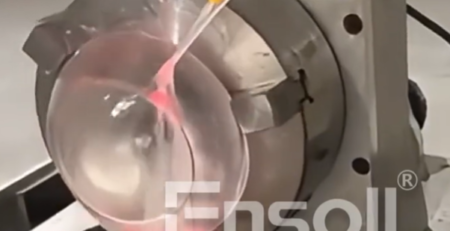
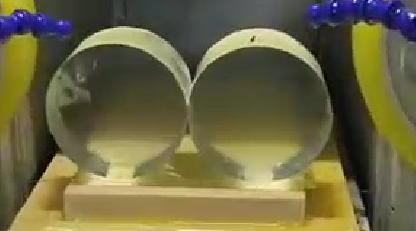
Cutting display
Conclusion
Diamond wire sawing of ferrite is a mature yet continuously improving process. Its success depends not on aggressive cutting speeds but on careful control of tension, feed rate, and coolant application. By understanding the brittle fracture mechanism and respecting the material’s low tolerance for stress fluctuations, manufacturers can achieve scrap rates below 2% and produce ferrite components with reliable mechanical properties. The method is particularly valuable for cutting sintered ferrite blocks into thin wafers, small magnetic cores, or custom shapes where precision outweighs raw throughput.
For any engineer setting up a diamond wire saw for ferrite, the most important takeaway is this: consistency beats speed. A stable, well‑maintained wire saw running at moderate parameters will consistently outperform an unstable machine pushed to its limits. Ferrite, after all, is not a material that forgives haste.