A comprehensive understanding of NdFeB
Part 1: What Are Neodymium Magnets?
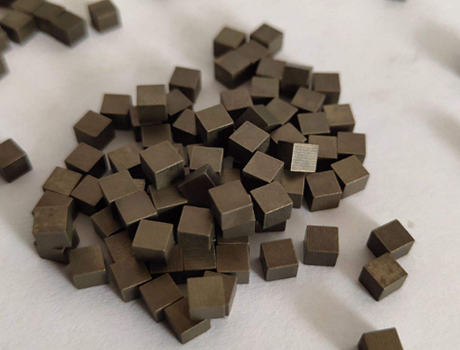
Neodymium magnets, technically designated as NdFeB, derive their exceptional properties from a unique crystal structure—Nd₂Fe₁₄B. This specific atomic arrangement produces outstanding magnetic characteristics: high remanence, strong coercivity, and an extraordinary maximum energy product (BHmax) reaching 52 MGOe or beyond.
Two main varieties exist: sintered and bonded. Sintered NdFeB magnets undergo a powder metallurgy process—melting alloy components, pulverizing them into fine powder, pressing under magnetic field orientation, and sintering in protective atmosphere to achieve full density. These magnets deliver superior magnetic performance but require protective coatings (nickel, zinc, or epoxy) due to their vulnerability to corrosion. Bonded NdFeB magnets, alternatively, combine magnetic powder with polymer binders through compression or injection molding. While offering excellent corrosion resistance and isotropic properties, their energy products typically remain below 16 MGOe.
The magnetic strength of neodymium magnets is genuinely remarkable—they can lift objects weighing 640 times their own mass. Performance grading follows the N-series (N35 through N52), with higher numbers indicating greater energy product. Specialty grades incorporating heavy rare earth elements like dysprosium and terbium extend operating temperatures from standard 80°C up to 230°C for demanding applications.
However, these magnets have limitations. Their brittleness makes them susceptible to chipping or cracking under impact. Curie temperatures range from 320°C to 460°C, and magnetic performance deteriorates rapidly at elevated temperatures without heavy rare earth modifications. These characteristics render NdFeB processing and application a sophisticated engineering endeavor.
Part 2: Applications and Precision Machining with Diamond Wire Saw
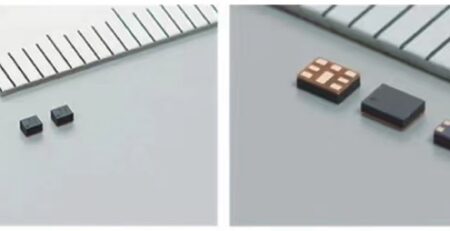
Neodymium magnets have become indispensable across diverse industries. In consumer electronics, they enable product miniaturization—hard disk drives, smartphones, headphones, and camera autofocus mechanisms all rely on these compact powerhouses. The tiny magnets within smartphone cameras drive voice coil motors, delivering rapid, precise autofocus and optical image stabilization.
The clean energy transition represents today’s most significant growth driver. Each permanent magnet synchronous motor in electric vehicles requires 2-5 kilograms of sintered NdFeB magnets, improving drive efficiency by 15% compared to conventional motor designs. China’s new energy vehicle sector alone consumes over 35% of global rare earth magnet production, with demand continuing its steep upward trajectory. Offshore wind turbines increasingly adopt permanent magnet direct-drive generators—a single 16 MW turbine may incorporate up to 30 tons of neodymium magnets.
Emerging applications include humanoid robotics, where joint motors demand exceptional power density and precision control. Each humanoid robot may require 15-20 kilograms of NdFeB magnets—three times the amount used in industrial robots. Aerospace applications leverage these magnets in radar systems, microwave isolators, circulators, and magnetic bearings for gyroscopes and turbines.
The Critical Role of Diamond Wire Saw Machining
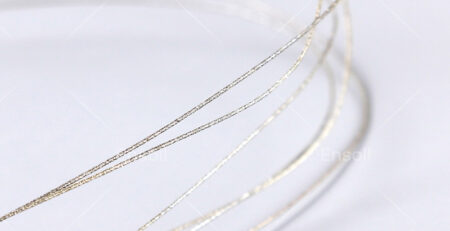
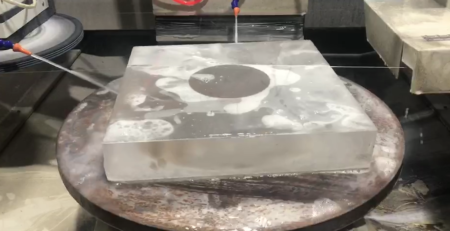
Processing neodymium magnets presents unique challenges stemming from their hardness, brittleness, and thermal sensitivity. Conventional machining methods risk inducing microcracks, degrading surface quality, and compromising magnetic properties. Diamond wire saw technology has emerged as a transformative solution to these challenges.
Research published in Precision Engineering demonstrates the effectiveness of diamond wire sawing for NdFeB micromachining. Systematic investigation of cutting parameters revealed that higher wire speeds promote surface morphologies dominated by microgrooving and microcutting, while increased feed rates tend toward crater formation.
Remarkably, the diamond wire saw process achieves minimum surface roughness values as low as Sa = 0.32 μm, Sq = 0.41 μm, and Sz = 5.93 μm—demonstrating exceptional surface quality. The technique successfully produces micro-magnets as thin as 80.4 ± 4.6 μm while preserving strong magnetic properties, with intrinsic coercivity of 1209.5 kA/m and maximum energy product of 217.3 kJ/m³.
Part 3: Neodymium Magnets vs. Ferrite Magnets—A Comparative Analysis
While neodymium dominates high-performance applications, ferrite (ceramic) magnets remain the most widely produced permanent magnets globally due to their cost-effectiveness and distinct property profile. Understanding differences between these material families enables proper selection.
Magnetic Performance
The most dramatic distinction lies in magnetic strength. Neodymium magnets achieve maximum energy products up to 52 MGOe, while ferrite magnets typically range from 1.1 to 5.2 MGOe—making NdFeB approximately 5-10 times stronger magnetically. For applications requiring high field strength in compact volumes—EV motors or miniaturized electronics—neodymium is the only viable choice.
Composition and Manufacturing
Ferrite magnets consist primarily of iron oxide (Fe₂O₃) combined with strontium or barium carbonate, making them essentially ceramic materials. Conventional ceramic processing methods yield hard, brittle products with limited machinability. Neodymium magnets, conversely, contain rare earth elements (approximately 29-32.5% neodymium) alongside iron (64-68%) and boron (1-1.2%), with possible dysprosium, praseodymium, or other elemental additions. Their production involves sophisticated powder metallurgy techniques.
Corrosion Resistance and Environmental Stability
Ferrite magnets excel in environmental resistance. They possess excellent inherent corrosion resistance, require no protective coating, and suit outdoor or humid environments. Operating temperatures extend to 250°C, and they resist demagnetization effectively.
Neodymium magnets, however, are highly susceptible to corrosion due to rare earth element reactivity. They require surface treatments—nickel-copper-nickel plating, zinc coating, or epoxy protection—for demanding environments. Maximum operating temperatures vary by grade from 80°C to 230°C, with high-temperature grades requiring costly heavy rare earth additions.
Cost Considerations
Ferrite magnets offer dramatic cost advantages, typically being nearly ten times less expensive than equivalent neodymium magnets. Their raw materials are abundant and free from geopolitical supply risks associated with rare earth elements. This makes ferrites the default choice for cost-sensitive applications where moderate magnetic performance suffices.
Machinability and Tolerances
Both materials present machining challenges due to brittleness, but neodymium offers superior machinability. Dimensional tolerances reach ±0.05 mm for NdFeB, compared to ±0.1 mm typical for ferrites. Both materials may be machined using diamond tooling, but the higher value and stringent requirements of neodymium components have driven adoption of advanced techniques like diamond wire sawing for precision applications.
Application Domains
Neodymium magnets dominate high-performance applications: EV traction motors, wind turbine generators, hard disk drives, MRI machines, and aerospace components. Ferrite magnets find their niche in cost-sensitive and moderately demanding applications: loudspeakers, refrigerator magnets, small DC motors, magnetic separators, and toys.
Material selection ultimately depends on application requirements. When maximum performance in minimal volume justifies higher cost, neodymium prevails. When cost optimization and environmental robustness take priority, ferrite remains the workhorse.
Conclusion
Neodymium-iron-boron magnets represent one of the late twentieth century’s most significant materials innovations, enabling countless technologies that define modern life. From smartphones in our pockets to electric vehicles transforming transportation and wind turbines generating clean energy, these remarkable materials deliver performance previously unimaginable.
Precision machining of NdFeB materials, particularly through advanced techniques like diamond wire sawing, continues evolving—enabling ever-smaller and more sophisticated components while preserving the exceptional magnetic properties that make these materials so valuable. As research advances toward reduced heavy rare earth content and improved recyclability, neodymium magnets will remain central to the global transition toward sustainable, high-efficiency technologies.