Diamond Wire Saw: A Comprehensive Guide to Metal Cutting Applications and Material Compatibility
In the precision metal cutting industry, diamond wire saw technology has emerged as a revolutionary solution for processing challenging materials with exceptional accuracy and efficiency. This advanced cutting method utilizes a continuous loop of wire embedded with diamond particles, offering unique advantages over traditional cutting techniques. As manufacturing demands evolve toward harder, more durable materials, understanding diamond wire saw capabilities and material compatibility becomes crucial for industries ranging from aerospace to electronics manufacturing.
Understanding Diamond Wire Saw Technology
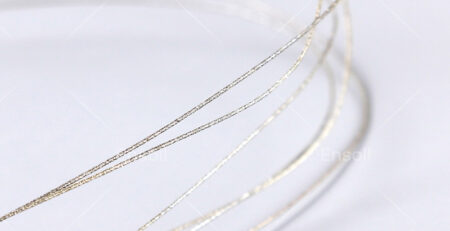
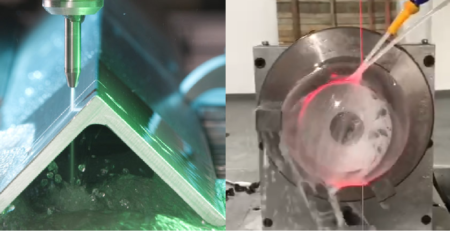
Diamond wire sawing operates on a simple yet highly effective principle. A high-tensile steel wire impregnated with synthetic diamond particles moves continuously through the workpiece, creating a precise cutting action through abrasive grinding. The diamond particles, typically bonded to the wire through electroplating or sintering processes, provide the necessary hardness to cut through even the toughest metallic materials.
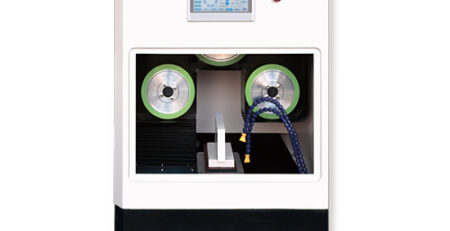
Modern diamond wire saw systems feature sophisticated computer-controlled tensioning mechanisms and guidance systems that maintain optimal wire positioning throughout the cutting process. The technology’s versatility allows for both wet and dry cutting applications, with coolant systems often integrated to manage heat dissipation and remove cutting debris, thereby extending the wire’s operational lifespan.
Key Advantages for Metal Cutting Applications
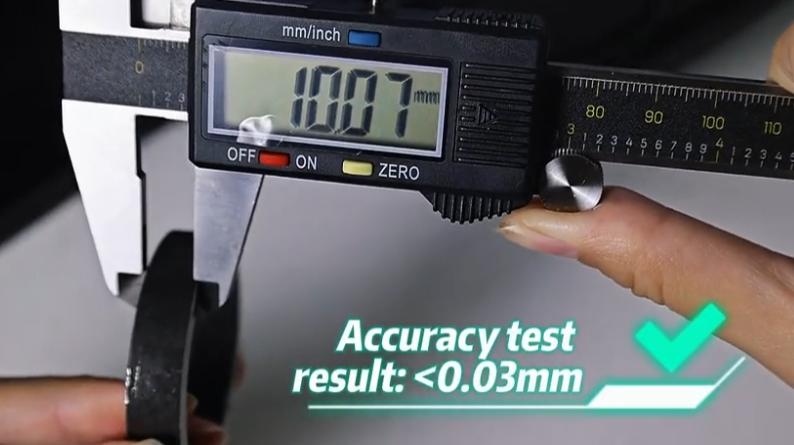
The superiority of diamond wire sawing in metal processing stems from several distinct advantages. First, the technology delivers exceptional cutting precision with minimal kerf loss, typically achieving tolerances within ±0.1mm. This precision significantly reduces material waste, particularly important when working with expensive metals. Second, the process generates minimal heat-affected zones, preserving the structural integrity and material properties of the workpiece. Third, diamond wire saws produce smoother surface finishes compared to conventional methods, often eliminating the need for secondary processing operations.
Additionally, the technology offers remarkable operational flexibility, capable of performing straight cuts, contour cutting, and complex geometrical patterns with equal proficiency. The reduced mechanical stress during cutting prevents workpiece deformation, making it ideal for delicate components and thin-walled structures.


Metal Materials Suitable for Diamond Wire Saw Cutting
Diamond wire saw technology demonstrates exceptional performance across a broad spectrum of metallic materials. The technology proves particularly effective for materials that present challenges to conventional cutting methods.

High-Strength Alloys
Titanium and its alloys represent ideal candidates for diamond wire cutting. These materials, known for their high strength-to-weight ratio and corrosion resistance, find extensive applications in aerospace and medical implants. Diamond wire saws cleanly process titanium without compromising its material properties or introducing thermal damage.
Nickel-based superalloys, including Inconel and Hastelloy, demonstrate excellent mechanical strength and resistance to extreme temperatures. These properties make them indispensable in jet engines and power generation equipment but challenging for conventional machining. Diamond wire sawing efficiently processes these superalloys while maintaining dimensional accuracy and surface quality.
Hardened Steels and Tool Steels
Tool steels and hardened steels, characterized by their exceptional hardness and wear resistance, respond exceptionally well to diamond wire cutting. The technology maintains cutting efficiency even at hardness levels exceeding 60 HRC, where traditional methods would struggle with accelerated tool wear.
Refractory Metals
Tungsten and molybdenum, known for their extremely high melting points, are efficiently processed using diamond wire technology. These metals find applications in lighting, electronics, and high-temperature furnaces. Diamond wire sawing provides clean, precise cuts without the micro-cracking issues associated with alternative methods.
Tantalum and niobium, valued for their corrosion resistance and biocompatibility, are commonly processed using diamond wire saws for medical and chemical industry applications. The technology ensures contamination-free cutting crucial for these sensitive applications.
Non-Ferrous Metals
Copper and copper alloys, while being softer materials, benefit from diamond wire cutting when precision and edge quality are paramount. The technology prevents burr formation and maintains the electrical conductivity properties essential for electronic applications.
Aluminum alloys, particularly aerospace-grade variants, are efficiently processed using diamond wire technology. The method eliminates the built-up edge problems common with conventional machining and provides superior surface finish.
Precious and Specialized Metals
Gold, silver, and platinum group metals are effectively processed using diamond wire saws, especially in jewelry manufacturing and electronic component production. The minimal kerf loss significantly impacts material savings when working with these high-value materials.
Shape memory alloys, particularly nickel-titanium (Nitinol), present unique cutting challenges due to their sensitivity to heat and mechanical stress. Diamond wire sawing has proven exceptionally capable of processing these materials without compromising their unique functional properties.
Beryllium and Advanced Composites
Beryllium and its alloys, despite their toxicity concerns in particulate form, are safely processed using diamond wire saws with appropriate coolant management. This makes the technology invaluable for aerospace and defense applications where beryllium’s unique properties are required.
Metal matrix composites and ceramic-reinforced metals, known for their abrasive nature, are ideally suited for diamond wire cutting. The technology outperforms conventional tools that would rapidly dull when processing these composite materials.
Optimizing Diamond Wire Saw Parameters for Different Metals
Successful implementation of diamond wire sawing requires parameter optimization based on material characteristics. For hard, abrasive materials like tungsten carbide, lower wire speeds and finer diamond grit sizes typically yield better results. Conversely, softer metals like aluminum and copper benefit from higher wire speeds and coarser grit configurations.
Coolant selection plays a crucial role in cutting efficiency and wire longevity. Water-based coolants generally suffice for most applications, while specialized synthetic coolants may be necessary for particularly challenging materials or extreme cutting conditions.
Conclusion
Diamond wire saw technology has established itself as a versatile, precise, and efficient solution for metal cutting applications across numerous industries. Its ability to process challenging materials while maintaining exceptional quality standards makes it an invaluable technology in modern manufacturing. As material science continues to develop new alloys and composites with enhanced properties, diamond wire sawing will undoubtedly remain at the forefront of precision cutting technologies, evolving to meet increasingly demanding manufacturing requirements.