Everything You Need to Know About Graphite
20516512
What is Graphite?
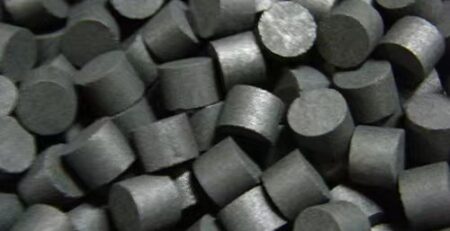
Graphite is a naturally occurring form of crystalline carbon, characterized by its distinct layered structure and exceptional properties. At the atomic level, graphite is composed of carbon atoms arranged in a hexagonal lattice, forming flat sheets known as graphene layers. These layers are stacked together, held by weak van der Waals forces, which allow them to easily slide over one another.
Properties and Characteristics of Graphite
Graphite, a form of crystalline carbon, possesses a myriad of properties and characteristics that make it a highly versatile and valuable material across various industries. Here, we delve into the unique features that define graphite:
1. Layered Structure
Graphite’s structure consists of layers of carbon atoms arranged in a two-dimensional hexagonal lattice. These layers are weakly bonded together, allowing them to easily slide over each other. This layered structure imparts graphite with its lubricious and slippery nature, making it an excellent dry lubricant and a crucial component in applications where low friction is essential.
2. Softness and Malleability
Graphite is a soft material due to the weak interlayer forces between its carbon layers. This softness enables graphite to be easily machined, shaped, and used in applications requiring precise customization. Its malleability makes it suitable for manufacturing intricate components and products.
3. High Thermal Conductivity
Graphite is renowned for its exceptional thermal conductivity. This property allows graphite to efficiently transfer heat, making it valuable in applications where thermal management is critical. Graphite is used in heat sinks, thermal insulation, and other heat dissipation solutions.
4. Electrical Conductivity
As a good conductor of electricity, graphite finds extensive use in various electrical applications. Its delocalized electrons enable the flow of electric current through its structure, making it ideal for electrodes in batteries, fuel cells, and other electronic devices.
5. Chemical Stability
Graphite exhibits impressive chemical stability, resisting reaction with most chemicals at room temperature. This inert nature makes graphite suitable for use in harsh chemical environments, such as in the production of chemical processing equipment and as a lining material for corrosive substances.
6. Thermal Expansion
Graphite has a low coefficient of thermal expansion, meaning it expands minimally when exposed to heat. This property is advantageous in applications where dimensional stability is crucial, such as in precision instruments and high-temperature environments.
7. High Strength at High Temperatures
Graphite retains its strength and stability even at elevated temperatures, making it a preferred material for use in high-temperature applications like aerospace components, furnace linings, and refractory materials.
Applications of Graphite
Graphite, with its exceptional properties and characteristics, finds a wide range of applications across various industries. Here are some key areas where graphite plays a vital role:
1. Industrial Lubricants:
Graphite’s lubricity and low friction properties make it an ideal lubricant in industrial applications where high temperatures and heavy loads are present. It is used in the manufacturing of greases, oils, and coatings for machinery to reduce wear and friction.
2. Battery Technology:
Graphite is a crucial component in lithium-ion batteries, where it serves as the anode material. The high electrical conductivity and stability of graphite help improve the performance and longevity of batteries used in portable electronic devices, electric vehicles, and renewable energy storage systems.
3. Metallurgy:
In the metallurgical industry, graphite is utilized for its heat resistance and chemical inertness. It is commonly used in the production of crucibles, molds, and refractory materials for casting and shaping metals at high temperatures.
4. Nuclear Industry:
Graphite’s ability to moderate neutrons makes it a key material in nuclear reactors. It is used as a moderator to slow down fast neutrons, ensuring a controlled nuclear fission reaction. Graphite’s stability under high temperatures and radiation makes it an essential component in nuclear power generation.
5. Aerospace and Defense:
Graphite’s lightweight and high strength-to-weight ratio make it an ideal material for aerospace applications. It is used in aircraft components, missile systems, and spacecraft due to its ability to withstand high temperatures and harsh operating conditions.
6. Heat Management:
Graphite’s excellent thermal conductivity and heat resistance make it valuable in heat management applications. It is used in heat sinks, thermal solutions, and as a component in electronic devices to dissipate heat efficiently.
7. Foundry and Molding:
Graphite is employed in foundry applications for its ability to withstand high temperatures and provide smooth and precise casting surfaces. It is used in molds and cores for metal casting processes, ensuring accurate and high-quality castings.
8. Electronics and Semiconductors:
Graphite is utilized in the electronics industry for its conductive properties. It is used in the production of electrodes, contacts, and as a thermal interface material in electronic devices and semiconductor manufacturing.
Reprocessing of Graphite
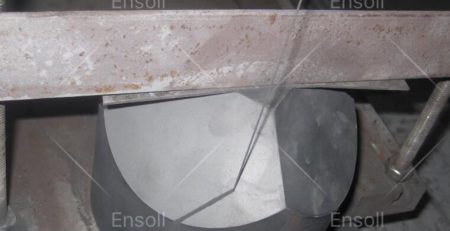
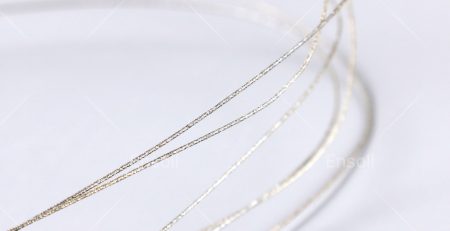
Reprocessing graphite to meet specific requirements involves various methods, with one notable technique being the use of the endless diamond wire saw. This cutting-edge technology offers several advantages in the reprocessing of graphite materials.
Endless Diamond Wire Saw Cutting Advantages:
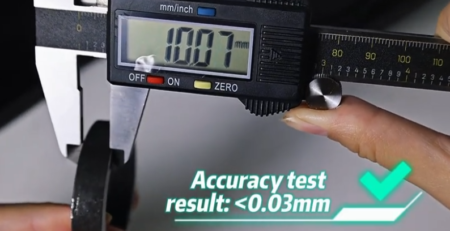
- Precision Cutting: The endless diamond wire saw technology provides unparalleled precision in cutting graphite materials. It ensures accurate dimensions and shapes, meeting the most stringent requirements with high precision and consistency.
- High Cutting Efficiency: The use of an endless diamond wire saw significantly increases cutting efficiency. It allows for swift and efficient processing of graphite materials, reducing production time and costs while maintaining quality standards.
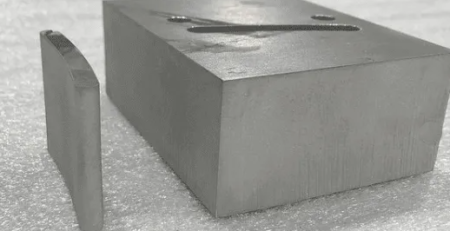
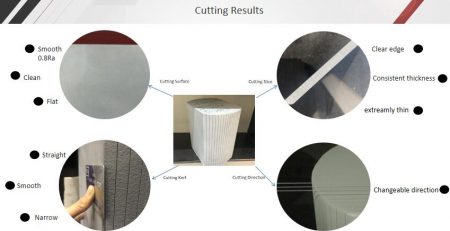
- Smooth Cutting Surfaces: Endless diamond wire saw cutting results in smooth cutting surfaces with minimal roughness. This quality is crucial for applications where surface integrity is paramount, such as in precision components and high-tech industries.
- Versatile Cutting Capability: The endless diamond wire saw can cut graphite materials into various shapes and sizes with exceptional accuracy. This versatility enables the production of customized components and intricate designs with ease.
- Minimal Material Wastage: The precise nature of endless diamond wire saw cutting minimizes material wastage during the reprocessing of graphite. This efficiency leads to cost savings and a more sustainable manufacturing process.
- Clean and Precise Cuts: The use of a diamond wire saw ensures clean and precise cuts without causing damage or deformation to the graphite material. This results in high-quality finished products with minimal post-processing requirements.
In conclusion
Graphite is a versatile material with unique properties that make it indispensable in modern industries. Understanding its properties, applications, and the latest reprocessing techniques, such as the endless diamond wire saw, is crucial for maximizing its utility across different sectors.