The Ultimate Guide to Cutting Ultra-Hard Materials with Diamond Wire Loop Technology
Introduction to Ultra-Hard Materials and Cutting Challenges
In today’s advanced manufacturing landscape, ultra-hard materials like CVD Diamond (Chemical Vapor Deposition Diamond) and specialized ceramics including Lithium Niobate (LiNbO₃), Lithium Tantalate (LiTaO₃), and PZT (Lead Zirconate Titanate) are revolutionizing industries from semiconductor manufacturing to precision optics. These materials offer exceptional properties:
– Extreme hardness (Mohs 9-10)
– Superior thermal conductivity
– Excellent chemical resistance
– Unique piezoelectric properties (for LiNbO₃, LiTaO₃, and PZT)
However, these same properties that make them valuable also present significant machining challenges. Traditional cutting methods often result in:
– Excessive material waste (30-50% loss)
– Surface and subsurface damage
– Thermal stress-induced microcracks
– Poor dimensional accuracy
Diamond cutting wire loop technology has emerged as the premier solution for processing these challenging materials with unparalleled precision and efficiency.
Understanding Diamond Wire Loop Cutting Technology
How Diamond Wire Loop Systems Work
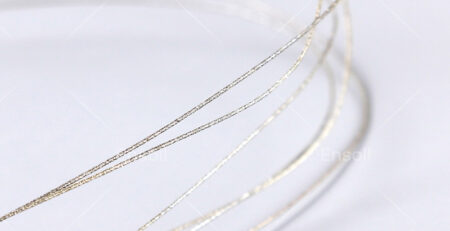
Diamond wire loop cutting utilizes a continuous loop of high-tensile wire embedded with industrial diamond particles. The system consists of:
- Diamond-impregnated wire (typically 0.1-0.3mm diameter)
- Precision guidance system with multiple rollers
- Computer-controlled tension mechanism (15-40N range)
- Advanced coolant delivery system
- Multi-axis positioning platform
During operation, the wire moves at controlled speeds (10-30 m/s) while maintaining optimal tension, creating a precise, continuous cutting action.
Advantages Over Conventional Cutting Methods
Compared to traditional blade saws or laser cutting, diamond wire loops offer:
✔ Narrower kerf width (0.1-0.2mm vs. 0.3-0.5mm)
✔ Superior surface finish (Ra < 0.1μm achievable)
✔ Reduced thermal damage (critical for piezoelectric materials)
✔ Greater material utilization (up to 60% less waste)
✔ Longer tool life (10x longer than abrasive blades)
Material-Specific Cutting Solutions
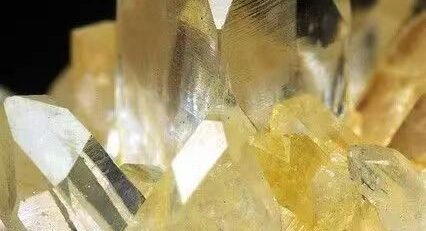
1. CVD Diamond Cutting
Properties:
– Hardest known material (Mohs 10)
– Exceptional thermal conductivity
– Chemical inertness
Cutting Parameters:
– Wire diameter: 0.1-0.15mm
– Diamond grit: 5-15μm
– Cutting speed: 0.3-1.0 mm/min
– Coolant: Deionized water with anti-wear additives
Applications:
– Cutting tool coatings
– Optical windows
– Semiconductor heat spreaders
2. Lithium Niobate (LiNbO₃) Processing
Properties:
– Piezoelectric and electro-optic properties
– Moderate hardness (Mohs 5)
– Brittle nature
Optimal Cutting Conditions:
– Lower tension settings (10-20N)
– Fine diamond grit (10-20μm)
– Alcohol-based coolants
– Slow, consistent feed rates
3. Lithium Tantalate (LiTaO₃) Machining
Properties:
– Similar to LiNbO₃ but with higher thermal stability
– Used in RF filters and sensors
Cutting Recommendations:
– Medium diamond grit (15-25μm)
– Temperature-controlled environment
– Special attention to crystal orientation
4. PZT (Lead Zirconate Titanate) Cutting
Properties:
– Essential piezoelectric material
– Complex domain structure
– Brittle ceramic nature
Best Practices:
– Ultra-fine diamond grit (5-10μm)
– Low vibration cutting environment
– Post-cut annealing to relieve stress
Advanced Process Optimization Techniques
Parameter Optimization Guide
| Material | Wire Diameter | Grit Size | Tension | Speed | Coolant Type |
| CVD Diamond | 0.1-0.15mm | 5-15μm | 20-30N | 0.3-1.0 | Water-based |
| LiNbO₃ | 0.15-0.2mm | 10-20μm | 10-20N | 0.5-1.2 | Alcohol |
| LiTaO₃ | 0.15-0.2mm | 15-25μm | 15-25N | 0.8-1.5 | Oil-based |
| PZT | 0.1-0.15mm | 5-10μm | 15-20N | 0.3-0.8 | Specialized |
Quality Control Measures
Implementing robust quality assurance protocols:
- Pre-cut Inspection
– Material characterization
– Crystal orientation verification
- In-process Monitoring
– Real-time tension tracking
– Vibration analysis
– Coolant condition monitoring
- Post-cut Evaluation
– Surface roughness measurement
– Edge quality inspection
– Piezoelectric property testing (for LiNbO₃/LiTaO₃/PZT)
Industry Applications and Case Studies
Semiconductor Manufacturing
– CVD Diamond heat spreaders for advanced packaging
– LiNbO₃ modulators for optical communication
– PZT actuators for MEMS devices
Case Study: A leading semiconductor company achieved 35% yield improvement in PZT MEMS production by switching to diamond wire loop cutting.
Photonics and Optoelectronics
– LiNbO₃ optical modulators
– CVD Diamond laser windows
– LiTaO₃ pyroelectric detectors
Consumer Electronics
– PZT speakers and haptic feedback components
– LiTaO₃ RF filters for 5G smartphones
Future Trends in Ultra-Hard Material Cutting
- Smart Cutting Systems
– AI-driven adaptive parameter adjustment
– Predictive maintenance capabilities
- Advanced Wire Technology
– Nanocomposite diamond coatings
– Self-sharpening wire designs
- Sustainable Solutions
– Eco-friendly coolant formulations
– Dry cutting developments
- Hybrid Technologies
– Laser-assisted diamond wire cutting
– Ultrasonic-enhanced systems
Implementation Guide for Manufacturers
Step 1: Needs Assessment
– Material types and volumes
– Quality requirements
– Production throughput needs
Step 2: Equipment Selection
– Single vs. multi-wire systems
– Automation level
– Facility requirements
Step 3: Process Development
– Parameter optimization
– Operator training
– Quality standard establishment
Step 4: Continuous Improvement
– Performance benchmarking
– Technology upgrades
– Cost optimization
Conclusion: Why Diamond Wire Loop is the Future
Diamond cutting wire loop technology has established itself as the gold standard for processing ultra-hard materials like CVD Diamond, LiNbO₃, LiTaO₃, and PZT. By offering:
✔ Unmatched precision
✔ Superior surface quality
✔ Material conservation
✔ Process flexibility
It enables manufacturers to overcome traditional machining limitations while improving productivity and reducing costs. As material science advances and component miniaturization continues, diamond wire loop cutting will play an increasingly vital role in high-tech manufacturing.
Ready to optimize your ultra-hard material processing? Contact our experts today for a customized solution assessment.