Tech Insights: Maximizing Efficiency with Endless Diamond Wire Loops
As global manufacturing demands higher precision and lower material waste, traditional slicing methods are hitting their limits. Below, we answer the most critical operational and commercial questions about upgrading to Endless Diamond Wire Loop technology.
1. Production Efficiency & ROI
Q1: Why is an endless diamond wire loop considered faster than alternative cutting methods?
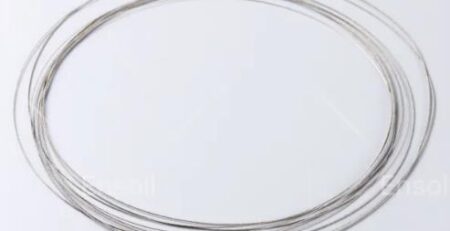
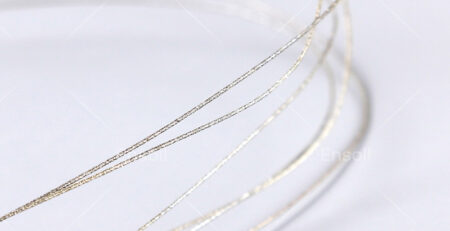
A: Traditional wire saws rely on a reciprocating (back-and-forth) motion. This means the wire must constantly decelerate, stop, and accelerate in the opposite direction, creating a massive bottleneck in cutting speed. An Endless Diamond Wire Loop travels continuously in a single direction at speeds up to 60 meters per second. This uninterrupted high-speed motion allows for dramatically faster material removal rates.
Q2: How does this technology lower the overall cost per cut?
A: The financial savings come from three main areas:
Increased Throughput: Faster cutting cycles mean more parts processed per shift.
Higher Yield: The ultra-thin core wire reduces the cutting track width (kerf loss), saving expensive material—especially critical when slicing high-value ingots like Silicon Carbide (SiC).
Reduced Secondary Processing: The micro-grinding action leaves a highly polished, chip-free surface, often eliminating the need for expensive post-cut grinding or lapping stages.
2. Material-Specific Capabilities
Q3: Can the same diamond wire loop be used to cut both soft and ultra-hard materials?
A: While the physical loop structure is versatile, optimal performance depends on matching the diamond grit size and plating density to the target material.
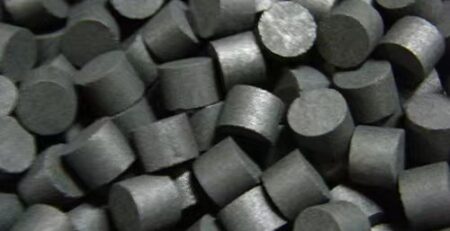
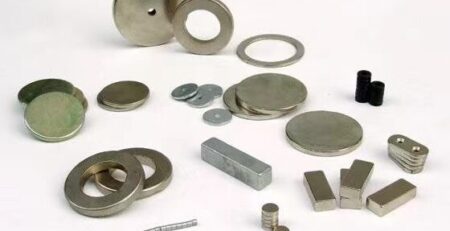
For ultra-hard materials like technical ceramics or SiC, a specific grit profile is required to prevent premature tool wear.
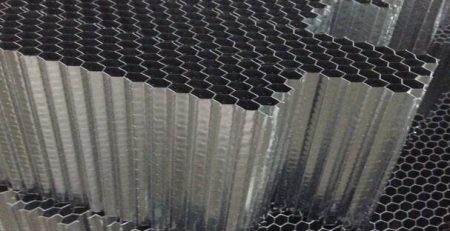
For softer or porous materials like high-density PMI foam, a different configuration ensures the wire doesn’t get clogged with debris.
We customize the diamond coating specifications based on your exact application.
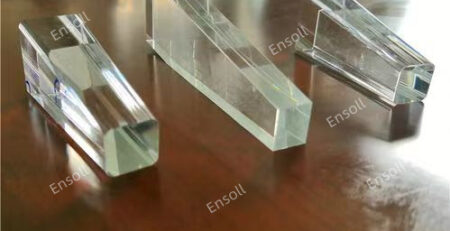
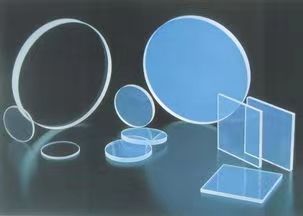
Q4: We struggle with internal stress cracks when cutting optical glass. How does your loop handle this?
A: Optical glass is highly sensitive to thermal shock and mechanical stress. Standard blades “force” their way through the material, generating localized heat that causes micro-fractures. Our endless loop relies on ultra-high velocity to achieve a “cold cut.” It gently grinds the material away at a microscopic level, preventing heat build-up and ensuring stress-free structural integrity.
3. Maintenance & Troubleshooting
Q5: What are the main causes of premature wire loop breakage, and how can we prevent them?
A: Wire breakage is rarely a defect in the wire itself; it is typically caused by operational variables:
- Improper Tensioning: If the machine’s tension control isn’t precise, the wire can slip or experience sudden spikes in load.
- Inadequate Cooling: If the coolant fluid isn’t reaching the exact point of the cut, thermal stress can weaken the core wire.
- Aggressive Feed Rates: Pushing the material against the wire faster than the diamonds can grind it creates excessive bending stress.
Using an integrated system where the machine and wire loop are calibrated to work together solves the majority of these issues.
Q6: How do we know when it is time to replace the diamond wire loop?
A: You will notice a few distinct signs that indicate the diamonds are reaching the end of their useful life:
The cutting speed naturally slows down under the same parameters.
The surface finish of the cut material begins to show a slight increase in roughness.
The machine registers a minor increase in cutting resistance.
Tracking these metrics allows you to schedule preventative wire replacements and maintain zero downtime.
Have a unique material or a specific machine setup?
Reach out to our global technical team today to get a customized performance analysis for your production floor!