
How to Extend Diamond Wire Loop Lifespan: Complete Guide
Understanding Diamond Wire Loop Durability
Diamond wire loop longevity plays a crucial role in determining your cutting operation’s efficiency and cost-effectiveness. By optimizing key factors and implementing proper maintenance protocols, manufacturers can achieve significant improvements in wire service life while maintaining consistent cutting quality.
Critical Factors Influencing Wire Longevity
Material Composition Matters
– Core Material Selection: Tungsten core wires (4000+ MPa tensile strength) demonstrate superior fatigue resistance compared to standard high-carbon steel alternatives (3500 MPa)
– Diamond Quality Standards: Premium VVS-grade diamond particles with even distribution ensure consistent cutting performance throughout the wire’s lifespan
– Diameter Considerations: Thicker diameters (0.35-0.45mm) excel in demanding applications, while thinner options (0.20-0.30mm) require more precise handling
Optimal Operational Parameters
– Tension Management: Maintain 12-18N tension range to prevent both slippage and excessive stress
– Speed Optimization: Target 1.5-2.5 m/s cutting speeds for ideal balance between productivity and wire preservation
– Coolant Requirements: Ensure minimum 5L/min coolant flow for effective heat dissipation and debris removal
Material-Specific Performance Expectations
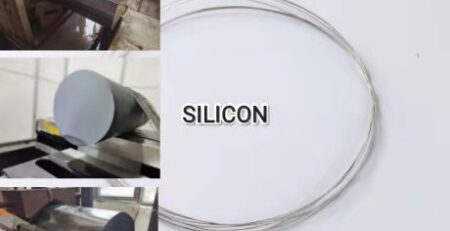
– Silicon Materials: 200-300 cuts per wire
– Technical Ceramics: 120-200 cuts per wire
– Optical Glass Applications: 150-250 cuts per wire
– Composite Materials: 180-280 cuts per wire
Best Practices for Maximum Wire Lifespan
Proper Operational Procedures
- Correct Installation Protocol
– Verify proper seating in guidance system
– Implement gradual tension increase
– Conduct validation through test cuts
- Regular Maintenance Routine
– Microscopic inspection every 50 cuts
– Continuous performance monitoring
– Automated usage tracking
- Environmental Management
– Maintain 20-25°C temperature range
– Control humidity at 40-60% RH
– Ensure contamination-free operation
Advanced Optimization Strategies
Process Enhancement Techniques
– Adaptive Parameter Adjustment: Modify cutting parameters progressively as wire ages
– Preventive Replacement Planning: Base replacements on actual usage metrics
– Real-time Quality Control: Implement continuous monitoring of cutting performance
Technical Innovations
– Advanced Bonding Technology: Enhanced electroplating improves diamond retention
– Specialized Coatings: Friction-reducing treatments minimize heat generation
– Structural Optimization: Improved stress distribution through enhanced design
Economic Benefits and Cost Analysis
Understanding the cost implications of wire lifespan optimization reveals:
– Direct Cost Reduction: 25-40% decrease in consumable expenses
– Productivity Enhancement: 15-25% improvement in machine utilization
– Quality Improvement: Reduced rejection rates through consistent performance
Troubleshooting and Maintenance
Early Warning Indicators
– Irregular cutting patterns
– Increased operational vibration
– Concentrated wear patterns
– Declining cutting efficiency
Maintenance Schedule
– Daily: Visual inspection and tension verification
– Weekly: Comprehensive system assessment
– Monthly: Detailed wear analysis and replacement planning
Conclusion
Mastering diamond wire loop lifespan optimization requires attention to material selection, operational parameters, and systematic maintenance. Through proper implementation of these strategies, manufacturers can achieve substantial cost savings and quality improvements in their cutting operations.